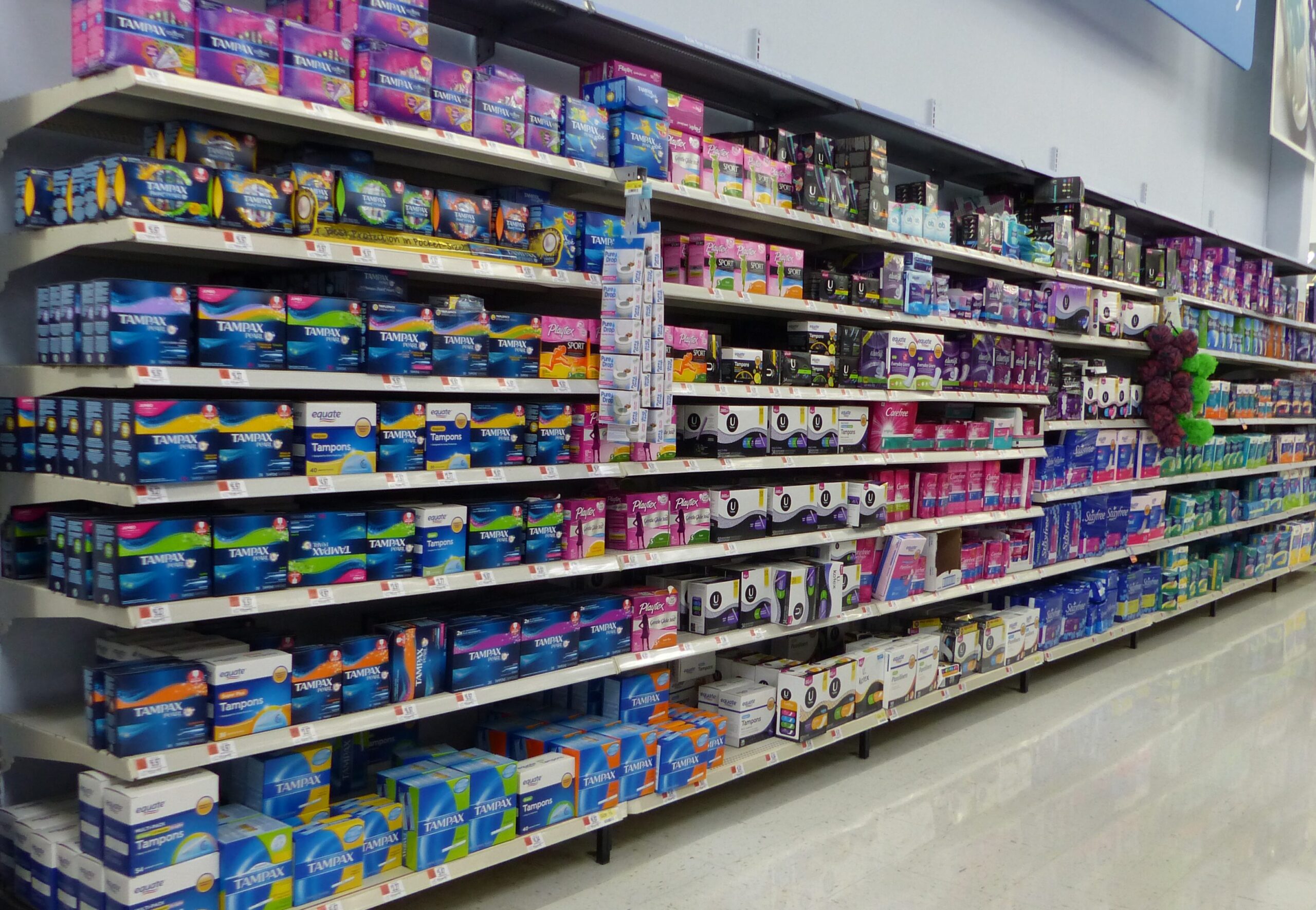
Feminine Hygiene Products: Proven Growth in Rural Markets
feminine hygiene products are experiencing significant growth, particularly in rural markets. This expansion is fueled by increasing awareness and accessibility, leading to a positive shift in consumer behavior.
Understanding Rural Market Dynamics
The growth of feminine hygiene products in rural markets is driven by a combination of cultural shifts, increased awareness, and improved access. Understanding these dynamics is crucial for manufacturers and retailers aiming to penetrate these expanding markets.
Historically, discussions surrounding feminine hygiene have been taboo in many rural communities. However, as education and awareness campaigns gain traction, more women are becoming informed about the importance of using appropriate products. This shift has led to a greater acceptance of feminine hygiene products, resulting in higher demand.
Several key factors contribute to this burgeoning market:
- Education and Awareness: Initiatives aiming to educate women about menstrual health have proven effective, leading to a better understanding of hygiene practices.
- Access to Products: The expansion of distribution networks in rural areas has made feminine hygiene products more accessible, allowing women to purchase them conveniently.
- Economic Development: As rural economies grow, women have more disposable income, enabling them to invest in personal care products.
- Community Support: Local organizations are playing a pivotal role in advocating for women’s health, further promoting the use of feminine hygiene products.
These factors collectively foster a supportive environment for the growth of feminine hygiene products in rural markets, paving the way for ongoing expansion and development.
The Rise of Feminine Hygiene Awareness
The growing awareness of feminine hygiene products in rural areas marks a significant shift in consumer behavior. Traditionally, discussions surrounding menstrual health and hygiene have been taboo, leading to a lack of education and access. However, recent initiatives have aimed to break this silence.
Several factors contribute to the rise of awareness regarding feminine hygiene products:
- Education Campaigns: Organizations and local governments have launched educational programs to inform women and girls about menstrual health. These initiatives help dispel myths and encourage the use of sanitary products.
- Access to Products: The expansion of distribution channels has made feminine hygiene products more accessible in rural markets. Local shops and health centers now stock a variety of products, enhancing availability.
- Community Support: Peer support groups have emerged, allowing women to share experiences and information. This community-driven approach fosters a culture of openness and acceptance around feminine hygiene.
- Health Awareness: Increased awareness of health-related issues has prompted women to prioritize their menstrual hygiene. Understanding the health risks associated with poor hygiene practices has created a demand for quality feminine hygiene products.
These developments not only empower women but also contribute to the overall growth of the market, indicating a promising future for feminine hygiene products in rural communities.
Key Factors Driving Product Growth
The growth of feminine hygiene products in rural markets can be attributed to several key factors that are shaping consumer behavior and preferences. Understanding these elements is crucial for stakeholders aiming to capitalize on this expanding market.
- Increased Awareness: Educational initiatives and community programs have significantly raised awareness about the importance of feminine hygiene. Women are now more informed about the health benefits associated with using proper hygiene products.
- Access to Products: Enhanced distribution networks and the introduction of mobile vendors have made feminine hygiene products more accessible than ever before. This improved availability is encouraging more women to purchase and use these essential items.
- Affordability: The introduction of cost-effective options has made feminine hygiene products appealing to a broader audience. Many companies are now producing budget-friendly items tailored to the financial constraints of rural consumers.
- Changing Societal Norms: As societal attitudes towards menstruation evolve, more women feel empowered to discuss and seek out feminine hygiene solutions without stigma.
- Support from NGOs: Non-governmental organizations are playing a vital role by providing education and resources, fostering a supportive environment that encourages the adoption of hygiene products.
These factors collectively contribute to the robust growth trajectory of feminine hygiene products in rural areas, setting the stage for continued expansion in the future.
Challenges in Rural Distribution
The expansion of feminine hygiene products into rural markets has not been without its challenges. Distribution remains a significant hurdle, as many rural areas lack the necessary infrastructure to support efficient supply chains. The following factors contribute to these distribution challenges:
- Limited Retail Outlets: Many rural communities have few retail options, making it difficult for consumers to access feminine hygiene products. Local shops may not stock these items due to low demand or limited shelf space.
- Transportation Issues: Poor road conditions and inadequate transportation networks can delay deliveries and increase costs. This makes it less appealing for distributors to target rural areas.
- Awareness and Education: While awareness of feminine hygiene products is rising, some rural populations remain uninformed about their importance. This lack of knowledge can lead to lower demand, making it harder for companies to justify investment in distribution.
- Cultural Sensitivity: Cultural beliefs and taboos surrounding menstruation can hinder marketing efforts. Companies must navigate these beliefs carefully to promote their products effectively.
Addressing these challenges is essential for companies seeking to tap into the growing demand for feminine hygiene products in rural markets. Solutions may include tailored marketing strategies and partnerships with local organizations.
Consumer Preferences in Hygiene Products
Consumer preferences in hygiene products have evolved significantly, particularly in rural markets where awareness and accessibility are increasing. Recent surveys indicate that women in these areas are becoming more informed about their health and hygiene needs, leading to a notable shift in their purchasing habits.
Many consumers now prioritize products that are:
- Eco-friendly: There is a growing demand for sustainable options, such as biodegradable pads and menstrual cups.
- Affordable: Price sensitivity remains a critical factor; many women seek products that provide value without compromising quality.
- Comfortable: Women are increasingly aware of the importance of comfort, leading them to choose products with better materials and designs.
- Accessible: Availability in local stores is crucial, as many rural consumers prefer to avoid long trips to urban centers for shopping.
Additionally, marketing strategies that resonate with local customs and values are proving effective in capturing the attention of rural consumers. Brands that emphasize their commitment to community health and education are likely to cultivate loyalty. The rise of feminine hygiene products tailored to rural needs signals a promising trend, as manufacturers recognize the potential of these emerging markets.
Future Trends in Feminine Hygiene
The future of feminine hygiene products in rural markets appears promising, driven by several emerging trends. As awareness increases, there is a notable shift in consumer behavior towards more sustainable and organic options. This trend is not only influenced by health consciousness but also by a growing recognition of environmental issues.
Moreover, technological advancements play a crucial role in the distribution and accessibility of feminine hygiene products. E-commerce platforms are expanding their reach into rural areas, making it easier for consumers to purchase these products. Online education and awareness campaigns are also gaining traction, helping to dismantle the stigma surrounding feminine hygiene.
In addition, local manufacturers are beginning to emerge, catering specifically to the needs of rural women. These businesses often offer products that are not only affordable but also culturally relevant, thereby enhancing consumer acceptance. The focus is shifting towards quality and functionality, with preferences leaning towards biodegradable and hypoallergenic products.
Furthermore, partnerships between NGOs and health organizations are crucial in fostering education and promoting the benefits of feminine hygiene products. These collaborations are essential for addressing misconceptions and ensuring that women in rural communities understand the importance of maintaining hygiene.
Overall, the landscape of feminine hygiene products in rural markets is set for transformative growth, supported by increased awareness, technological innovation, and community engagement.
Case Studies of Successful Brands
Several brands have successfully navigated the complexities of rural markets, demonstrating the potential for growth in feminine hygiene products. These case studies highlight innovative approaches that have resonated with consumers in these areas.
- Brand A: This company launched a campaign specifically targeting young women in rural communities, focusing on education about menstrual health. By collaborating with local NGOs, they were able to distribute free samples and informational brochures, resulting in a significant increase in product adoption.
- Brand B: Recognizing the importance of affordability, Brand B introduced a low-cost line of feminine hygiene products that appealed to budget-conscious consumers. Their strategy included engaging local influencers to promote the products, which helped build trust and credibility within the community.
- Brand C: This brand utilized mobile health units to reach remote areas, offering not just feminine hygiene products but also health consultations. This holistic approach not only boosted sales but also improved overall health awareness among women in rural regions.
These case studies illustrate that understanding local needs and preferences is crucial for brands looking to thrive in the rural feminine hygiene market. By employing innovative marketing strategies and focusing on education, companies can foster brand loyalty and drive sustainable growth.
By Stilfehler via Openverse
References